






Taman Dukuh Bali Farm Cooking School represents one of Ubud's most authentic culinary destinations, offering visitors an immersive journey into traditional Balinese cuisine and sustainable farming practices. Located in the verdant landscape of Taro village within Tegallalang, Gianyar Regency, this family-operated cooking school has been welcoming food enthusiasts from around the world since its establishment in 2013.
The school stands out among Bali's numerous cooking experiences by providing a genuine farm-to-table encounter that goes beyond simply teaching recipes. Participants engage with the entire food production cycle, from understanding organic cultivation methods to harvesting fresh ingredients and transforming them into authentic Balinese dishes under the guidance of experienced local chefs.
The cooking school is situated in Taro village, a peaceful agricultural community located north of Ubud's main tourist area. This strategic location provides participants with an authentic rural Balinese experience, surrounded by rice terraces, tropical gardens, and the serene atmosphere of traditional village life. The journey to Taman Dukuh itself offers glimpses of Bali's stunning natural beauty and provides context for the agricultural practices visitors will learn about during their class.
Taman Dukuh Bali Farm Cooking School was founded in 2013 by local farmers who recognized the importance of preserving and sharing Balinese culinary traditions with the wider world. What began as a small organic farm evolved into a comprehensive educational experience that celebrates the island's rich food heritage while supporting sustainable agricultural practices within the local community.
The founders brought generations of farming knowledge and traditional cooking expertise to create a program that authentically represents Balinese culture. Their vision extended beyond commercial success to encompass cultural preservation, community development, and environmental stewardship. This foundation continues to guide the school's operations and ensures that every class maintains high standards of authenticity and educational value.
The philosophy underlying Taman Dukuh Bali Farm Cooking School centers on celebrating Balinese culinary heritage while promoting environmentally responsible food production and supporting community-based farming initiatives. The school operates on the belief that understanding where food comes from and how it is grown enhances appreciation for the final dishes and encourages more sustainable consumption patterns.
Central to this philosophy is the showcase of Balinese spice traditions and cooking techniques that have been passed down through generations. The school emphasizes the connection between agriculture, cuisine, and culture, demonstrating how traditional Balinese cooking reflects the island's tropical abundance, Hindu spiritual practices, and community-oriented values.
By integrating organic farming education with culinary instruction, Taman Dukuh provides participants with comprehensive knowledge about sustainable food systems. This approach supports the school's mission to preserve traditional agricultural knowledge while adapting to contemporary environmental challenges and promoting practices that benefit both local communities and the broader ecosystem.
Taman Dukuh Bali Farm Cooking School offers flexible scheduling to accommodate various travel itineraries and preferences. Students can choose from three distinct session times:
The morning session allows participants to begin their culinary adventure early in the day, taking advantage of cooler temperatures and fresh morning energy while exploring the farm and preparing traditional Balinese breakfast and lunch dishes.
The afternoon class provides a midday culinary experience, perfect for visitors who prefer to start their day with other activities before immersing themselves in cooking and farming education during the later hours.
The evening session offers a unique opportunity to prepare and enjoy a traditional Balinese farm-to-table dinner, with the cooking experience culminating in a meal shared as the sun sets over the surrounding landscape.
Each session follows a similar structure but may feature different recipes or menu items appropriate to the time of day and seasonal ingredient availability.
Every cooking class at Taman Dukuh follows a carefully designed progression that ensures participants gain both theoretical knowledge and practical skills while experiencing authentic Balinese hospitality.
Classes begin with a guided visit to a traditional Balinese market, where participants observe and learn about the incredible variety of tropical ingredients, spices, and specialty items that form the foundation of Balinese cuisine. This market experience provides cultural context and helps students understand how local people shop for and select fresh ingredients daily. The guide explains the names, uses, and selection criteria for various ingredients, many of which may be unfamiliar to international visitors.
Following the market visit, participants return to Taman Dukuh for a comprehensive tour of the organic farm. This guided walk through the gardens introduces students to the vegetables, herbs, spices, and fruits grown on the property using traditional organic methods. The tour emphasizes sustainable farming practices, composting techniques, natural pest management, and the importance of biodiversity in maintaining healthy soil and productive crops.
During this portion of the experience, participants learn to identify plants at various growth stages, understand seasonal planting cycles, and appreciate the labor involved in producing the food that will soon become part of their meal. The farm tour connects participants directly with the source of their ingredients and reinforces the farm-to-table concept central to the Taman Dukuh experience.
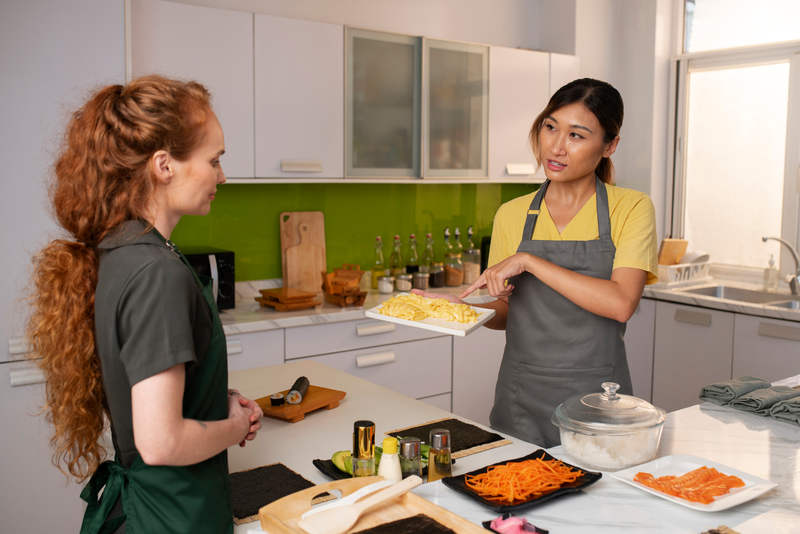
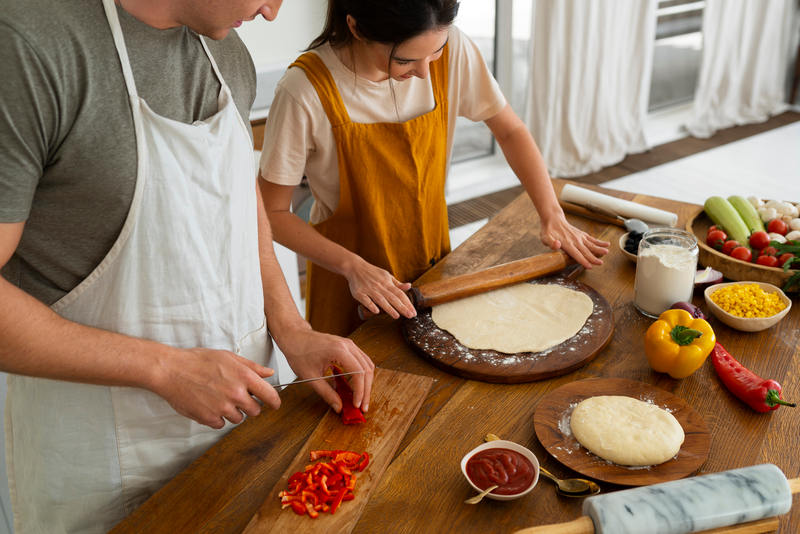
The heart of the experience is the hands-on cooking workshop, where participants work alongside experienced local chefs in an open-air kitchen surrounded by tropical vegetation. Each student receives individual attention and guidance while preparing multiple traditional Balinese dishes from scratch.
The cooking instruction covers essential techniques including spice paste preparation using traditional stone mortars and pestles, proper knife skills for various ingredients, cooking methods such as steaming, frying, and grilling, and the layering of flavors that characterizes Balinese cuisine. Chefs explain the cultural significance of certain dishes, the medicinal properties of various spices and herbs, and how recipes vary between different regions of Bali and among different families.
Throughout the cooking process, participants harvest ingredients directly from the surrounding garden, reinforcing the connection between cultivation and cuisine. This immediate farm-to-kitchen practice ensures maximum freshness and allows students to appreciate how flavor profiles change based on ingredient quality and timing.
Taman Dukuh Bali Farm Cooking School teaches participants to prepare a variety of authentic Balinese dishes that represent the island's culinary diversity. The menu includes both well-known specialties and lesser-known traditional recipes:
This beloved Indonesian salad features a colorful array of blanched vegetables, hard-boiled eggs, fried tofu and tempeh, topped with a rich peanut sauce. Participants learn to prepare the complex sauce from scratch and understand the balance of flavors that makes this dish so satisfying.
This preparation showcases tempeh, a traditional fermented soybean product, prepared in a tangy, slightly sweet sauce with vegetables and aromatic spices. The class covers both the cultural significance of tempeh in Indonesian cuisine and techniques for achieving the proper texture and flavor balance.
These crispy, golden banana fritters represent a popular Balinese snack and dessert. Students learn to prepare the batter, select appropriate banana varieties, and achieve the perfect frying temperature for optimal results.
The specific dishes prepared may vary based on the session time, seasonal ingredient availability, and class composition, but always represent authentic Balinese home cooking rather than restaurant-style preparations.
Recognizing the diverse dietary preferences and requirements of international visitors, Taman Dukuh Bali Farm Cooking School accommodates various eating styles without compromising the authenticity of the experience. Classes cater to the following dietary preferences:
The school's instructors are experienced in adapting traditional recipes to meet specific dietary needs while maintaining the essential flavor profiles and cooking techniques that define Balinese cuisine. Participants are encouraged to communicate any allergies, intolerances, or specific restrictions when booking to ensure the most enjoyable and safe experience possible.
All cooking classes at Taman Dukuh are conducted in English by experienced local chefs who bring both culinary expertise and cultural knowledge to their instruction. Among the school's respected instructors is Chef Nyoman Deren, whose years of experience and deep understanding of traditional Balinese cooking ensure high-quality, authentic instruction.
The chefs at Taman Dukuh possess not only technical cooking skills but also the ability to communicate the cultural context and significance of the dishes being prepared. They share stories about family traditions, explain the role of certain foods in Balinese ceremonies and daily life, and provide insights into how cooking practices reflect broader aspects of Balinese Hindu culture and community values.
This combination of practical instruction and cultural education creates a rich learning environment where participants gain skills they can replicate at home while developing a deeper appreciation for Balinese culture and traditions.
The farm-to-table concept represents more than a trendy culinary approach at Taman Dukuh; it embodies a return to traditional food systems that have sustained Balinese communities for generations. The experience emphasizes picking produce directly from the garden moments before it enters the kitchen, ensuring maximum freshness, flavor, and nutritional value.
This direct connection between cultivation and consumption allows participants to understand the complete food cycle and appreciate the work involved in producing ingredients. Walking through the organic gardens to select ripe tomatoes, fragrant herbs, and fresh chilies creates a visceral connection to the food that enhances the cooking and eating experience.
The farm-to-table approach at Taman Dukuh also demonstrates practical sustainability principles. By growing ingredients on-site using organic methods, the school reduces transportation emissions, eliminates synthetic pesticides and fertilizers, and maintains biodiversity. Participants witness firsthand how small-scale, diversified farming can produce abundant, nutritious food while supporting environmental health.
Taman Dukuh Bali Farm Cooking School operates as an integral part of the Taro village community, with operations designed to support local livelihoods and sustain traditional agricultural practices in Gianyar Regency. Each cooking class directly benefits nearby villagers through employment opportunities, ingredient purchases from local farmers, and partnerships with traditional market vendors.
The school's commitment to community-based farming helps preserve agricultural knowledge that might otherwise be lost as younger generations pursue different career paths. By demonstrating that sustainable, traditional farming can support viable businesses and attract international interest, Taman Dukuh provides inspiration and economic incentive for continuing agricultural traditions.
Additionally, the school serves as a cultural bridge, allowing international visitors to engage meaningfully with local community members, learn about rural Balinese life, and develop appreciation for the knowledge and skills required to maintain traditional food systems. This cultural exchange benefits both visitors and community members, fostering mutual understanding and respect.
Taman Dukuh Bali Farm Cooking School has earned consistently high ratings across major global travel platforms, with visitors praising multiple aspects of the experience. Reviews frequently highlight the warm hospitality extended by staff and instructors, who create a welcoming, family-like atmosphere that puts participants at ease regardless of their cooking skill level.
The scenic jungle setting receives particular acclaim, with visitors appreciating the beautiful natural surroundings that provide both visual appeal and a sense of tranquility rare in more touristy areas of Bali. The lush tropical vegetation, sounds of birdsong, and views of surrounding rice terraces create an immersive environment that enhances the overall experience.
The educational approach employed by Taman Dukuh distinguishes it from more commercial cooking schools. Participants value the depth of instruction, the integration of farming knowledge with culinary skills, and the cultural insights shared throughout the experience. Many reviews note that the class exceeded expectations and represented a highlight of their Bali visit.
This strong reputation has established Taman Dukuh as one of Ubud's premier cooking class destinations, attracting food enthusiasts, sustainable agriculture advocates, and travelers seeking authentic cultural experiences.
The physical environment at Taman Dukuh Bali Farm Cooking School contributes significantly to the overall experience. Located in the lush countryside of Taro village, the school occupies land characterized by tropical abundance, with verdant vegetation, flowering plants, and the distinctive terraced landscapes for which the Ubud region is famous.
The cooking facilities feature traditional Balinese architectural elements and open-air design that allows natural breezes to circulate while providing protection from tropical rain. This setting connects participants to the environment rather than isolating them in sterile, climate-controlled spaces, creating a more authentic and memorable experience.
Surrounding gardens showcase the diversity of Bali's agricultural bounty, with rows of vegetables, herb gardens, fruit trees, and spice plants creating a living classroom where participants can observe, touch, smell, and taste ingredients in their natural growing state. The visual beauty of the setting, combined with the sensory richness of the farm environment, creates lasting impressions that extend well beyond the cooking instruction itself.
Participants in Taman Dukuh cooking classes leave with a comprehensive set of skills and knowledge that extends far beyond simple recipe replication. The experience provides education in several interconnected areas:
This multifaceted educational approach creates value that extends beyond the immediate experience, potentially influencing participants' cooking habits, food choices, and cultural perspectives long after they leave Bali.
Interested visitors can obtain detailed information about class schedules, pricing, and availability by contacting Taman Dukuh directly via phone at +6285211221669 or through their website at tamandukuh.com/cooking-classes/. The school recommends booking in advance, particularly during Bali's peak tourism seasons, to ensure space availability in preferred time slots.
Transportation to the school can be arranged through most hotels in the Ubud area, or visitors can use private drivers, ride-sharing services, or rental vehicles to reach the Taro village location. The school can provide detailed directions and assistance with transportation logistics upon request.
Participants should come prepared for a hands-on experience in a tropical, outdoor environment. Comfortable, casual clothing appropriate for cooking and farm activities is recommended, along with closed-toe shoes suitable for walking through gardens. The school provides all necessary cooking equipment, ingredients, and aprons.
Taman Dukuh Bali Farm Cooking School offers one of Ubud's most authentic and comprehensive culinary experiences, combining traditional Balinese cooking instruction with organic farming education and cultural immersion. Since 2013, this family-run establishment has welcomed visitors into the heart of rural Balinese life, sharing knowledge, skills, and hospitality that create meaningful connections between international guests and local traditions.
The school's commitment to sustainability, community support, and cultural preservation distinguishes it from more commercial alternatives, while the hands-on, farm-to-table approach ensures participants gain practical skills and lasting memories. Whether seeking to learn authentic Balinese cooking techniques, understand sustainable agriculture, or simply enjoy a unique cultural experience in a beautiful setting, visitors to Taman Dukuh discover an enriching encounter that showcases the best of Bali's culinary heritage and natural abundance.
For food enthusiasts, cultural travelers, and anyone interested in the connections between agriculture, cuisine, and community, Taman Dukuh Bali Farm Cooking School represents an essential Ubud experience that nourishes both body and spirit while supporting the preservation of traditional knowledge and sustainable practices for future generations.
 Customer Services