Ubud Eco Walk: Your Ultimate Guide to Discovering the Authentic Soul of Bali
Tired of the crowded beaches and bustling streets of South Bali? Imagine a different Bali. A place where the air is filled with the scent of wet earth and frangipani, the soundtrack is a symphony of rustling leaves and distant waterfalls, and every path leads to a moment of wonder. Welcome to the Ubud Eco Walk-not just a tour, but a journey into the island's vibrant green heart.
This isn't about ticking sights off a list. It's about slowing down, engaging your senses, and connecting with the land and its people on a deeper level. Whether you're a nature lover, a culture enthusiast, a photography buff, or simply a seeker of peace, walking through Ubud's landscapes is a transformative experience. This comprehensive guide, inspired by the essence of authentic tours like Bali Lovina Tours' offering, will be your roadmap to planning an unforgettable eco-walking adventure in Ubud.
Why Choose an Ubud Eco Walk? The Philosophy of "Slow Travel"
In a world of rapid tourism, the Ubud Eco Walk is a conscious choice to embrace "slow travel." It's the antidote to rushing.
- Connect Deeply with Nature: Feel the cool soil underfoot, witness the intricate ecosystem of a rice terrace, and spot exotic birds and butterflies you'd miss from a car window.
- Authentic Cultural Exchange: Pass through local villages where life follows the rhythms of the harvest and temple ceremonies. Share a smile with a farmer, observe artisans at work, and understand the Balinese "Tri Hita Karana" philosophy of harmony with God, people, and nature.
- Sustainable & Low-Impact: Walking is the ultimate form of eco-tourism. It reduces carbon footprint, supports local footpath preservation, and shows respect for the environment.
- Unexpected Discoveries: The best parts of Ubud aren't on the main road. A hidden canyon, a secret garden cafe, a tiny family temple draped in moss these are the treasures you find on foot.
Crafting Your Perfect Ubud Eco Walking Route: Landscapes & Experiences
An Ubud Eco Walk can be tailored to your interests and fitness level. Here are the core elements that often make up these immersive journeys:
1. The Emerald Green: Rice Terraces of Tegallalang & Beyond
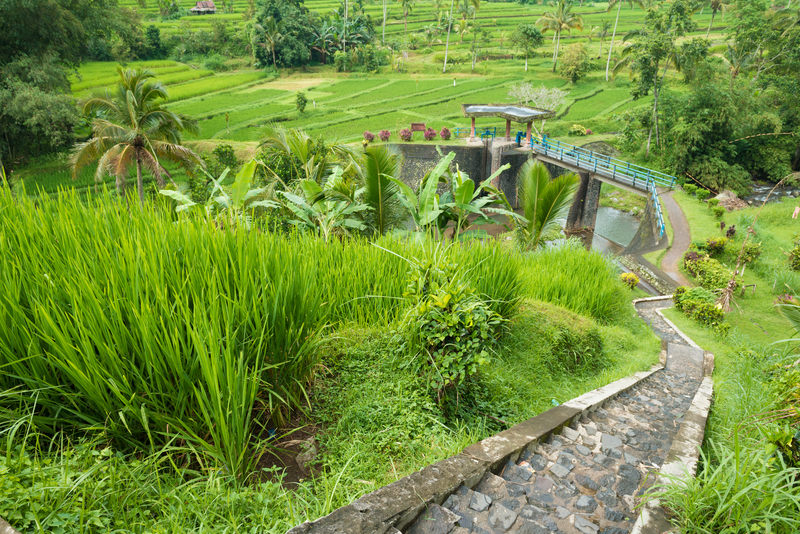
No walk in Ubud is complete without traversing its iconic rice paddies. While Tegallalang is famous, an eco-walk takes you deeper into the subak system-a UNESCO-recognized ancient cooperative irrigation network dating back to the 9th century.
- What You'll Do: Walk along narrow, muddy bunds between flooded fields. Learn about the different stages of rice growth, from the brilliant green shoots to the golden harvest. See the water temples that regulate the flow.
- Pro Tip: Visit early in the morning (around 7 AM) to see the morning mist rising over the valleys and have the paths mostly to yourself, long before the tour buses arrive.
2. The Sacred Grove: Campuhan Ridge Walk & Spiritual Valleys
Starting right in Ubud's center, the Campuhan Ridge Walk offers easily accessible beauty. This paved path along a ridge between two rivers is just the beginning.
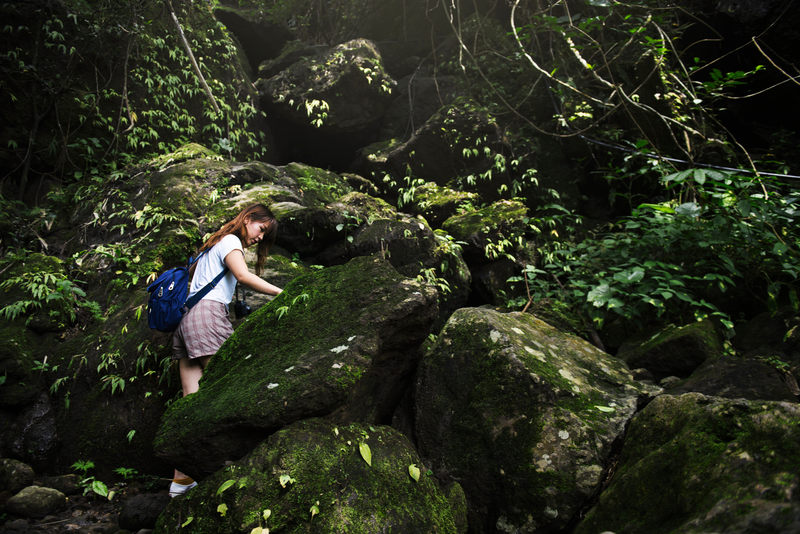
- The Expansion: True eco-walks dive off this main path into the river valleys (Sungai Wos) below. Explore hidden trails leading to small waterfalls, natural pools, and art studios tucked away in the jungle. It's a serene escape mere minutes from town.
- Spiritual Touch: You'll likely pass several Pura Gunung Lebah temples. Feel the palpable sacred energy and notice the daily offerings placed on stones and trees.
3. The Tropical Canopy: Jungle Paths to Hidden Waterfalls
Ubud's surrounding jungles are laced with trails leading to breathtaking cascades.
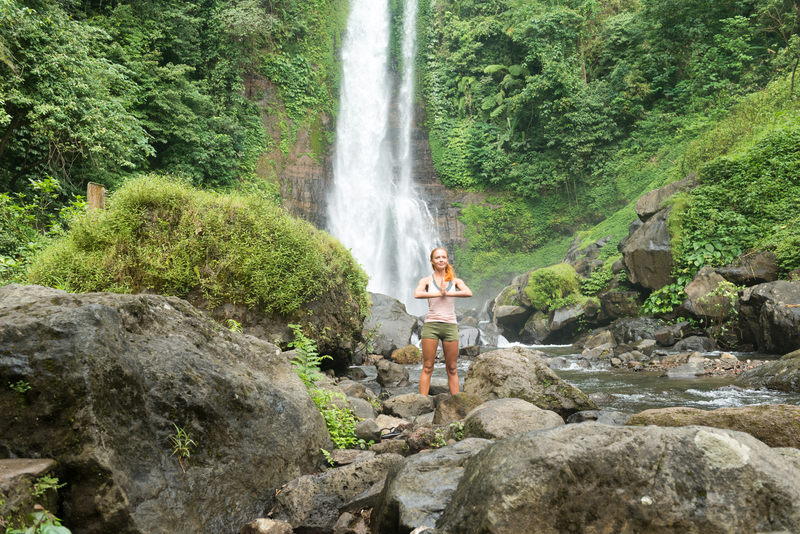
- Tibumana Waterfall: A gentle walk down steps through lush foliage reveals a elegant curtain of water falling into a deep pool, perfect for a refreshing dip.
- Kanto Lampo Waterfall: A unique waterfall cascading over tiered rock formations, creating a stunning photographic spectacle.
- Eco-Walk Approach: Guides will share the local names, the folklore surrounding these places, and the best times to visit to avoid crowds, ensuring a more intimate experience.
4. The Village Life: Artisan Hamlets & Local Encounters
Ubud is surrounded by villages, each with its own artistic specialty.
- Paths to Penglipuran: A walk through or towards this model traditional village reveals immaculate streets, bamboo architecture, and a deep sense of community order.
- Finding Mas (Woodcarving) or Celuk (Silver): Instead of just visiting showrooms, an eco-walk might take you through the backstreets where you can hear the tap-tap of chisels and see masters teaching apprentices.
5. The River's Edge: Ayung River Trails & Riverside Reflections
Following paths along the Ayung River, Bali's longest river, offers a dynamic landscape. You'll see dramatic gorges, luxury resorts carved into the cliffs (from a unique vantage point!), and locals tending to riverside gardens.
What to Expect on a Guided Ubud Eco Walk (A Typical Day Journey)
While you can explore some ridges alone, a guided walk unlocks Ubud's secrets. Here's what a well-crafted tour often includes:
- Early Morning Start: Beating the heat and crowds is key. Pick-up from your hotel in the Ubud area.
- Local, Knowledgeable Guide: Not just a navigator, but a storyteller who explains the flora, fauna, agriculture, and customs.
- A Curated, Car-Free Route: A mix of the "classic" and the hidden, often using paths unknown to independent travelers.
- Authentic Balinese Breakfast or Lunch: This is a highlight. Enjoy a meal at a local warung with a view of the rice fields or a packed picnic in a scenic spot. Think nasi campur, fresh fruits, and Balinese coffee.
- Cultural Stops: A brief visit to a village temple, a family compound, or a local market.
- Hydration & Snacks: Ample water and sometimes fresh coconut or local snacks are provided.
- Leisurely Pace: The walk is designed for enjoyment, not endurance, with plenty of stops for photos, rest, and soaking in the views.
Essential Packing List for Your Walk
Come prepared to maximize comfort:
- Footwear: Sturdy, closed-toe shoes with excellent grip (hiking shoes or trail runners). Paths can be muddy, slippery, and uneven.
- Clothing: Light, breathable, quick-dry clothing. A hat and a light rain jacket are wise. For temple visits, carry a sarong and sash (guides often provide these).
- Sun & Insect Protection: Biodegradable sunscreen, sunglasses, and eco-friendly insect repellent.
- Extras: A small backpack, camera, power bank, and a sense of adventure!
Beyond the Walk: Complementing Your Eco-Adventure
Make your Ubud trip a full immersion:
- Stay in an Eco-Lodge: Choose accommodation made from bamboo or natural materials, set amid rice fields.
- Take a Farming Class: Try rice planting or traditional cooking using fresh ingredients.
- Join a Conservation Project: Some tours offer visits to reforestation or turtle conservation projects.
- Cycle the Backroads: For a different perspective, take a morning cycling tour down the gentle slopes from Ubud.
Choosing Your Ubud Eco Walk Operator: A Responsible Traveler's Checklist
Your choice of guide makes all the difference. Look for operators that embody these principles:
- Local Ownership & Guides: Prioritizes economic benefits for the community.
- Small Group Sizes: Ensures a personal experience and minimizes environmental impact.
- Clear Sustainability Practices: They should follow "Leave No Trace" principles, avoid single-use plastics, and contribute to path maintenance.
- Transparent Itinerary: They clearly communicate the difficulty level, distance, and highlights.
- Cultural Respect: They educate guests on proper behavior in sacred and village areas.
Conclusion: The Path Less Traveled Awaits
The Ubud Eco Walk is more than just sightseeing; it's a sensory and spiritual reconnection. It's the memory of the cool mist from a waterfall, the taste of a freshly cut coconut, the sound of a gamelan practice drifting from a village, and the profound peace of a sun-dappled forest path.
It's an invitation to see Bali not as a spectator, but as a welcomed guest walking gently through its living, breathing heart. By choosing this path, you support a model of tourism that values preservation, authenticity, and deep, meaningful experience.
Ready to take the first step? Lace up your shoes, open your senses, and let the trails of Ubud guide you to the Bali you've been dreaming of.









 Customer Services