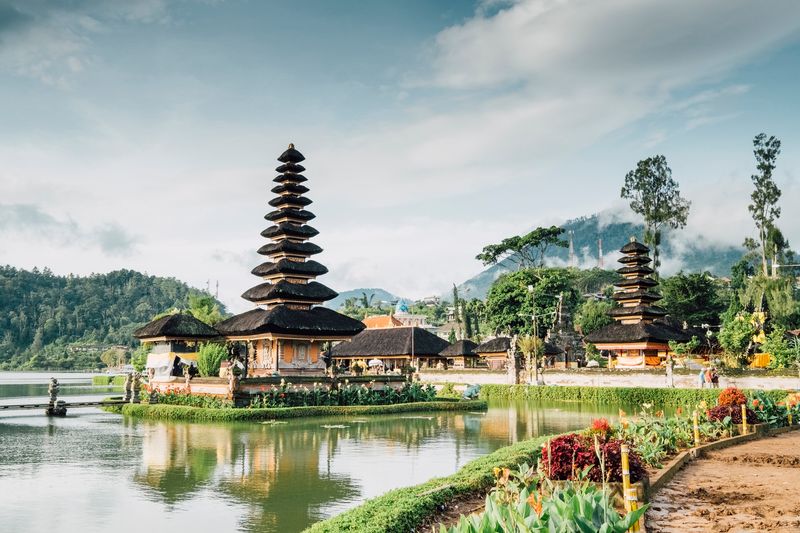
If you’ve spent more than five minutes scrolling travel reels, you’d reckon Bali is just infinity pools, smoothie bowls and sunset swings. But Bali without Instagram? That’s a different story altogether.
There’s a whole side of the island that doesn’t want the spotlight. Not because it’s boring — quite the opposite. It’s sacred, personal, sometimes fragile. And locals are fair dinkum tired of watching quiet corners turn into content farms overnight.
In this guide, we’ll unpack what Bali without Instagram really looks like, why certain places are intentionally kept off the grid, and how you — especially as an Aussie living in or visiting Bali — can experience the island respectfully without wrecking the magic.
Bali without Instagram refers to the lesser-known villages, sacred sites, and natural spaces that locals intentionally keep low-profile to protect culture, environment, and community life. These places prioritise spiritual significance and sustainability over tourism exposure, offering a more authentic and respectful experience of Bali.
Balinese Hinduism shapes daily life. It’s not just temple ceremonies; it’s how homes are built, how land is used, how time is structured. When sacred spaces go viral, behaviour often shifts from reverence to recreation.
Locals aren’t being exclusive - they’re protecting continuity.
Tourism contributes roughly over 50% of Bali’s regional GDP according to Indonesia’s Central Statistics Agency (BPS, 2023). That’s massive. But economic reliance also means cultural vulnerability.
a site trends:
And suddenly, what was sacred becomes spectacle.
Not every village wants to be the next Canggu.
Unlike Canggu’s digital nomad scene, Sidemen remains largely agricultural. Rice farming still drives daily life. You won’t find flashy beach clubs here — just terraced paddies, local warungs and ceremonies that happen whether you’re watching or not.
Locals here have seen what happened elsewhere. Many prefer controlled, small-scale tourism rather than busloads chasing drone footage.
This Bali Aga (original Balinese) village maintains strict customary laws. Certain rituals aren’t open to outsiders. Photography can be restricted.
That’s not hostility — it’s cultural safeguarding.
The western side of the island remains far less developed. Infrastructure is minimal. Internet can be patchy. And that’s exactly why it stays peaceful.
For Aussies used to fast Wi-Fi and flat whites on demand, it’s a reset.
Temples in Bali aren’t museums. They’re active spiritual centres.
Some sites have become social media magnets. Others deliberately avoid signage, promotion, or Google Maps tagging to prevent overcrowding.
Sacred etiquette includes:
Sounds basic, right? Yet breaches are common enough that local authorities have introduced behaviour guidelines for foreign visitors (Bali Governor Regulation No. 28/2020).
Bali faces mounting freshwater pressure. Research from Udayana University suggests parts of South Bali experience seasonal water deficits due to tourism-driven demand.
Villas with private pools consume significantly more groundwater than traditional homes.
When a “secret waterfall” trends:
It’s death by a thousand hashtags.
📊 Bali Tourism & Environment
If you want the real deal, here’s how to do it properly:
Simple stuff. Makes heaps of difference.
1. Chasing “Hidden Gems” from TikTok
If it’s on your feed, it’s not hidden anymore.
2. Ignoring Customary Law (Adat)
Balinese villages operate under adat law — traditional governance structures that still hold authority.
3. Over-Negotiating
Aggressive bargaining over a few dollars undermines local livelihoods.
4. Assuming All of Bali Is the Same
Canggu isn’t Karangasem. Uluwatu isn’t Bangli.
5. Treating Ceremonies as Performances
You’re witnessing devotion, not entertainment.
1. Is it safe to visit non-touristy villages in Bali?
Generally, yes. Bali is considered safe overall. But respect local customs, dress appropriately, and avoid wandering into private compounds without invitation.
2. Why don’t locals promote these places more?
Because viral exposure often leads to environmental strain and cultural disruption. Many communities prefer slow, controlled tourism.
3. Are “hidden gems” actually secret?
Rarely. Once shared widely online, they experience rapid visitor growth. The term is mostly marketing language.
4. Can I photograph ceremonies?
Sometimes. Always ask first. Certain rituals prohibit photography entirely.
5. Is tourism harming Bali?
Tourism brings income but also environmental and cultural challenges. It’s about balance and responsible management.
6. How can Aussies living in Bali help?
Support local businesses, follow regulations, avoid illegal work practices, and integrate respectfully into community life.
Bali without Instagram isn’t about being anti-tourism. It’s about balance.
Here’s what to remember:
If you’re an Aussie in Bali - or planning the move - you’ve got a choice. Chase the algorithm, or experience the island properly.
Reckon the second option’s far more rewarding.
And honestly? Some of the best parts of Bali are the ones you don’t post at all.







 Customer Services