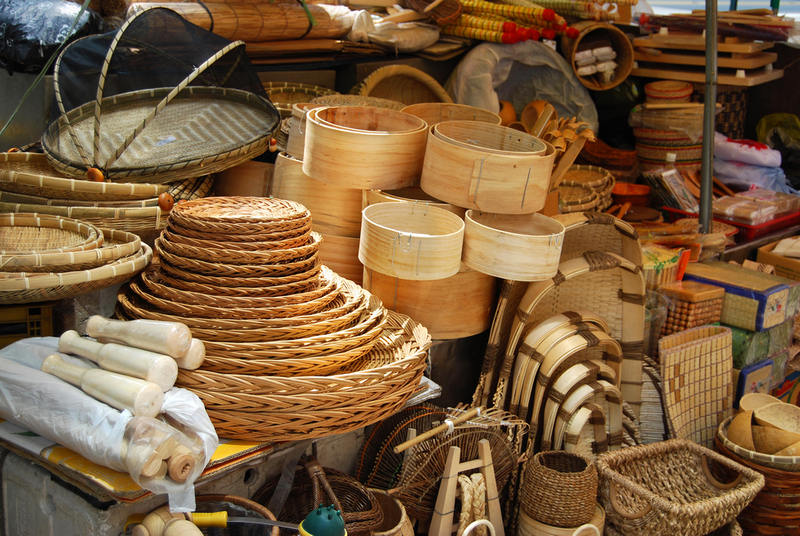
Bali's rich cultural heritage comes alive through its traditional crafts, where skilled artisans transform raw materials into exquisite souvenirs that tell stories of the island's artistic soul. While tourist-heavy areas overflow with mass-produced trinkets, discovering authentic local shops rewards travelers with genuine pieces that carry the spirit of Balinese creativity and centuries-old traditions.
Authentic Balinese souvenirs represent more than decorative items-hey embody the island's spiritual essence and artistic lineage. Traditional craftspeople continue practicing techniques passed down through generations, creating pieces that reflect Bali's Hindu-Buddhist heritage and natural beauty. Understanding the difference between authentic handmade crafts and factory reproductions enhances your shopping experience and supports local artisan communities.
Ubud stands as Bali's cultural epicenter, where art markets and family-run workshops cluster along tree-lined streets. The Ubud Art Market opens before dawn, revealing stalls packed with handwoven baskets, carved wooden masks, and intricate batik textiles. Local artisans often sit behind their displays, demonstrating traditional techniques while discussing the cultural significance of their work.
Venture beyond the main market into Ubud's neighboring villages-Mas for woodcarving, Celuk for silver jewelry, and Batuan for traditional paintings. These villages maintain workshop traditions where you can watch craftspeople at work and purchase directly from the makers, ensuring authenticity while supporting artisan families.
The village of Batubulan has carved its reputation-quite literally-as Bali's premier stone crafting center. Family workshops line the main road, their courtyards filled with partially completed statues, temple guardians, and decorative panels. Skilled carvers work volcanic stone into intricate Hindu deities, mythological creatures, and contemporary art pieces.
Shopping here offers opportunities to commission custom pieces or select from finished works ranging from small decorative items to substantial garden sculptures. Many workshops provide shipping services for larger purchases, allowing you to bring Bali's artistry home regardless of size.
The ancient village of Tenganan protects one of Bali's rarest textile traditions-double ikat weaving called geringsing. This sacred cloth requires years to produce, with patterns dyed into both warp and weft threads before weaving begins. Only Tenganan's community practices this technique, making their textiles among Bali's most valuable and culturally significant souvenirs.
Village cooperatives sell authentic geringsing alongside other traditional crafts including lontar palm manuscripts and basketwork. Prices reflect the intensive labor and cultural importance, but purchasing here directly supports this living heritage and ensures absolute authenticity.
Kamasan village near Klungkung preserves Bali's classical painting style, characterized by narrative scenes from Hindu epics rendered in natural pigments on cloth or bark paper. Local artists maintain traditional iconography and techniques while creating both ritual paintings for temples and pieces for collectors.
Small galleries and home studios welcome visitors interested in understanding this art form's cultural context. Artists often explain the stories depicted in their work, transforming a simple purchase into an educational experience that deepens appreciation for Balinese mythology and artistic heritage.
Gianyar regency produces Bali's finest endek-handwoven ikat textiles that blend traditional patterns with contemporary colors. Local workshops employ village weavers who create fabric for ceremonial sarongs, modern fashion, and home décor. Watching the hypnotic rhythm of shuttle and loom provides insight into the skill required for these complex patterns.
Workshop showrooms offer endek by the meter or as finished products like scarves, bags, and clothing. Staff explain dyeing processes, pattern significance, and quality markers, helping buyers make informed choices about these beautiful textiles.
Sukawati Art Market sprawls across two levels, creating a treasure hunt atmosphere where patient browsers discover exceptional handmade items. The ground floor focuses on ceremonial supplies and religious items, while the upper level offers paintings, carvings, textiles, and decorative crafts from across Bali.
Early morning visits before tour groups arrive allow for relaxed browsing and better prices. Many vendors represent family workshops, bringing samples of their production for direct sale. This connection to makers ensures better quality than typical tourist shops while maintaining affordable prices.
Sanur's beachfront village atmosphere extends to its shopping scene, where small boutiques curate collections of high-quality Balinese crafts. These shops emphasize fair trade practices, sustainable materials, and direct artisan relationships, offering pieces that meet international quality standards while maintaining traditional techniques.
Shops like those along Jalan Danau Tamblingan specialize in refined home décor, jewelry, and textiles selected for design-conscious buyers. Though prices run higher than markets, the curation, quality assurance, and often charitable missions justify the investment.
The Klungkung Palace complex includes a handicraft center showcasing eastern Bali's traditional arts. Local cooperatives display silverwork, paintings, textiles, and carved items representing the region's distinct artistic styles. Purchasing here supports community development programs while acquiring authentic pieces with cultural documentation.
The center's museum-like atmosphere allows for unhurried examination of crafts, with knowledgeable staff providing cultural context and provenance information that adds value beyond the physical object.
Genuine handmade Balinese crafts show characteristic signs of human creation-slight irregularities, hand-finishing marks, and natural material variations. Mass-produced items feature perfect uniformity, synthetic materials, and simplified designs lacking traditional detail.
Ask vendors about the origin and creation process. Authentic sellers readily discuss their artisans, villages, and techniques. Examine finishes carefully-quality handwork shows attention to edges, backs, and hidden areas, while factory items often display rough unfinished surfaces.
Choosing authentic crafts over mass-produced souvenirs creates meaningful economic impact for Balinese artisan communities. Your purchases fund skill preservation, provide family income, and encourage younger generations to maintain traditional arts. Many workshops and cooperatives channel profits into community education and cultural programs.
Consider visiting during morning hours when artisans actively work, allowing you to observe techniques and discuss pieces directly with makers. This connection transforms shopping into cultural exchange, enriching your understanding of Balinese traditions while ensuring your money reaches the hands that created your treasures.
Bali's authentic craft shops offer windows into living traditions where ancient techniques meet contemporary creativity. Whether you seek ceremonial textiles, carved wooden sculptures, or hand-forged jewelry, these local establishments provide souvenirs that carry genuine cultural value, supporting the artisans who keep Bali's artistic heritage thriving for future generations.
 Customer Services